

Dental implants remain one of the most effective ways to replace missing teeth because of where they are placed and how they function. We position an implant directly into the jawbone, where it takes on the role of a tooth root. From there, it supports a crown, bridge, or denture with a level of stability that closely mimics the function of natural teeth. To make that possible, the bone beneath the implant must provide sufficient support. When that support is limited, we may recommend a bone graft or a sinus lift before moving forward.
However, there are certain cases where we can use options like mini dental implants to avoid these extra steps. These implants have a smaller diameter and can often work within the existing bone. So, even when bone is limited, treatment may still be within reach. At Carolina Dental Arts, we take the time to find an approach that best fits your situation.
Bone Graft vs. Sinus Lift: How Are They Different? 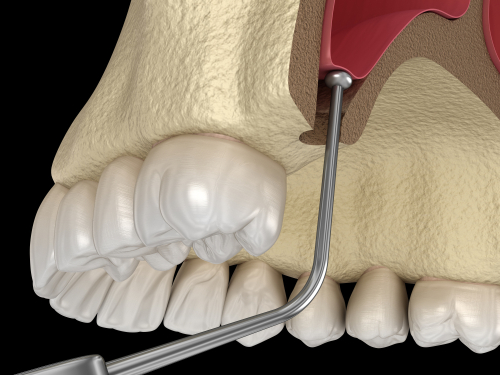
When we plan for dental implants, the density and shape of your jawbone matter. In some cases, we need to rebuild that foundation first. Two procedures help us do that: bone grafting and sinus lifts. They share the same goal, but they address different anatomical challenges.
A bone graft is an approach we use to rebuild areas of the jaw that have lost volume. We place bone or a bone-like material where the bone has thinned, and your body gradually integrates it over time. This process restores the height or width needed to support an implant.
We use bone grafting in many areas of the mouth, including the upper and lower jaws, depending on the location of bone loss.
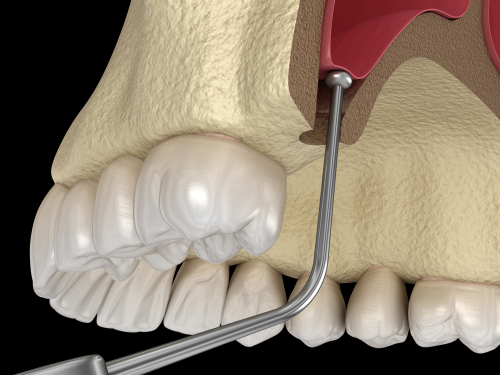
A sinus lift, on the other hand, focuses on a very specific area: the upper back jaw. In that region, the maxillary sinus sits just above the roots of your molars and premolars.
When bone loss occurs in the sinus area, the available space for an implant can become limited. To address this, we gently lift the sinus membrane upward and place bone grafting material beneath it. That step increases the bone’s vertical height, giving the implant enough room and support without extending into the sinus.
Even with those differences, the procedures are closely related in purpose. Both rebuild lost bone, both support long-term implant stability, and both rely on your body’s ability to integrate new material into the existing bone. We just adapt the approach to fit the structure we’re working with, so we can create a stable foundation before placing an implant.
Will I Need a Sinus Lift Before Mini Dental Implants?
Not every patient needs a sinus lift before moving forward with mini dental implants. In many cases, we can place mini implants without adding bone or adjusting the sinus at all. Mini dental implants are much smaller in diameter, measuring just under 3 millimeters. As a result, they often require less space than traditional implants.
When there is some healthy bone, even if it is thinner than ideal for a conventional implant, mini dental implants can often fit within that space without disturbing the sinus membrane. This allows us to work within the existing bone rather than rebuilding it first.
However, if the sinus sits very low or the available bone height is extremely limited, implant placement, including mini implants, could extend into the sinus cavity. In those cases, we would look at ways to create more room before moving forward.
If you have been told in the past that you do not have enough bone for traditional implants, that doesn’t always rule out treatment. At Carolina Dental Arts, we evaluate your jawbone during a free consultation and determine the best tooth replacement options. And, as we’ve seen time and time again, many patients who aren’t candidates for conventional implants may still qualify for mini dental implants.
Learn More About Your Options for Dental Implant Treatment
Every implant plan begins with a key decision about your jawbone: Do we work with the bone that is already there, or do we need to build additional support first? Bone grafts and sinus lifts help us strengthen areas that need it. In some cases, mini dental implants allow us to move forward without those added steps.
If you would like to better understand your implant options and what your treatment may look like, contact us today to book a free consultation.