


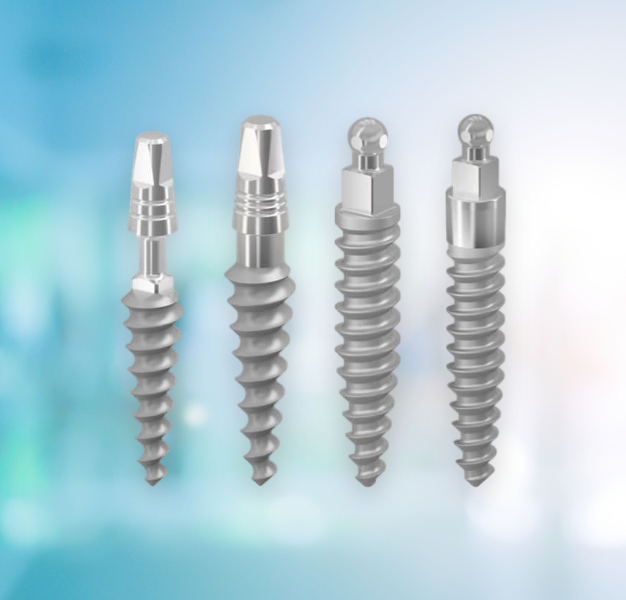
Some designs are easier to appreciate when you think about what they remove from the process. A piece of furniture that arrives already assembled saves you from sorting hardware, lining up separate parts, and hoping every connection holds the way it should. The finished product may look simple, but the convenience comes from the way it was built from the beginning. One-piece dental implants bring that built-in structure to tooth replacement. The part that we place in the jawbone and the part that holds the replacement tooth are already connected, which can make treatment feel more straightforward from the start.
Structure may seem like a technical detail, but it often shapes the entire experience. A design with fewer separate pieces can make implant treatment feel more direct, especially for patients who assumed tooth replacement had to involve a long, complicated process. With one-piece dental implants, simplicity is part of the foundation.
What Makes One-Piece Dental Implants Different? 
One-piece dental implants combine two important parts of the implant into one solid structure. Traditional implants often use separate pieces: the implant post, which sits in the jawbone, and the abutment, which connects the implant to the final tooth. With a one-piece dental implant, the parts come as a single unit.
During placement, the lower portion of the implant anchors into the jawbone, while the upper portion extends above the gums. Since the connecting piece is already built into the implant, we do not need to attach a separate abutment later. That difference can simplify the process and reduce the number of steps required to restore the tooth.
Are Mini Dental Implants the Same as One-Piece Dental Implants?
Mini dental implants fall within the one-piece dental implant category. These implants are less than 3 millimeters in diameter, making them much smaller than traditional implants. Their smaller size helps us place them with a more conservative technique, and their built-in abutment gives us a ready connection point for a crown, bridge, or denture.
Their shape also supports a more efficient placement process. Many mini dental implants have a tapered body and carefully shaped threads that help the implant grip the bone as we place it. In many cases, the implant can also engage the firmer outer layer of the jawbone, creating a strong initial hold. That stability helps reduce tiny movements during early healing, which is especially important when we plan to attach a temporary restoration soon after placement.
The Connection Between Implant Design and Peri-Implantitis
Peri-implantitis is an inflammatory condition that affects the gum and bone tissue around a dental implant. It is similar to advanced gum disease, but it develops around an implant rather than a natural tooth.
Plaque and bacteria build up on the implant surface, irritating the surrounding tissue and contributing to bone loss over time. Certain factors can raise the risk, including a history of gum disease, smoking, poor oral hygiene, and health conditions that affect healing.
With traditional two-piece implants, the implant body and abutment are separate components. Even when these parts fit together well, the connection can create a tiny space called a microgap. Bacteria can settle into very small spaces, and the microgap sits close to the bone and gum tissue that support the implant. Over time, that area may become a site for bacterial buildup.
One-piece dental implants remove that specific junction. Since the implant and abutment are made as one continuous piece, there is no separate connection point between the two parts. Fewer components mean fewer spaces where bacteria can hide at that implant-abutment connection.
Of course, implant design alone does not prevent peri-implantitis. Daily cleaning, regular dental visits, healthy gums, and well-managed risk factors still matter. However, the one-piece structure offers an advantage by eliminating a small but important space where bacteria may otherwise accumulate.
Explore a More Direct Approach to Tooth Replacement
One-piece dental implants offer a simpler structure with practical advantages, including fewer components and a more direct restoration process. Mini dental implants build on that design with a smaller size and a conservative placement technique.
For patients exploring tooth replacement, those details can make implant treatment feel much less overwhelming. Schedule a free consultation to learn how one-piece dental implants can work for you!